Residential rooflines
Permanent, low-profile lighting for soffits, fascia, peaks, garages, porches, and detached buildings.
Professional systems for the United States & Canada
ban@grouprsh.comIndividually controlled outdoor light modules with a dedicated white channel for everyday architectural scenes and full-color programming.
Residential rooflines, installer platforms, and branded permanent lighting programs.
Build a complete RGBW pixel lighting package with matched lights, waterproof connections, signal and power accessories, mounting profiles, and smart control.
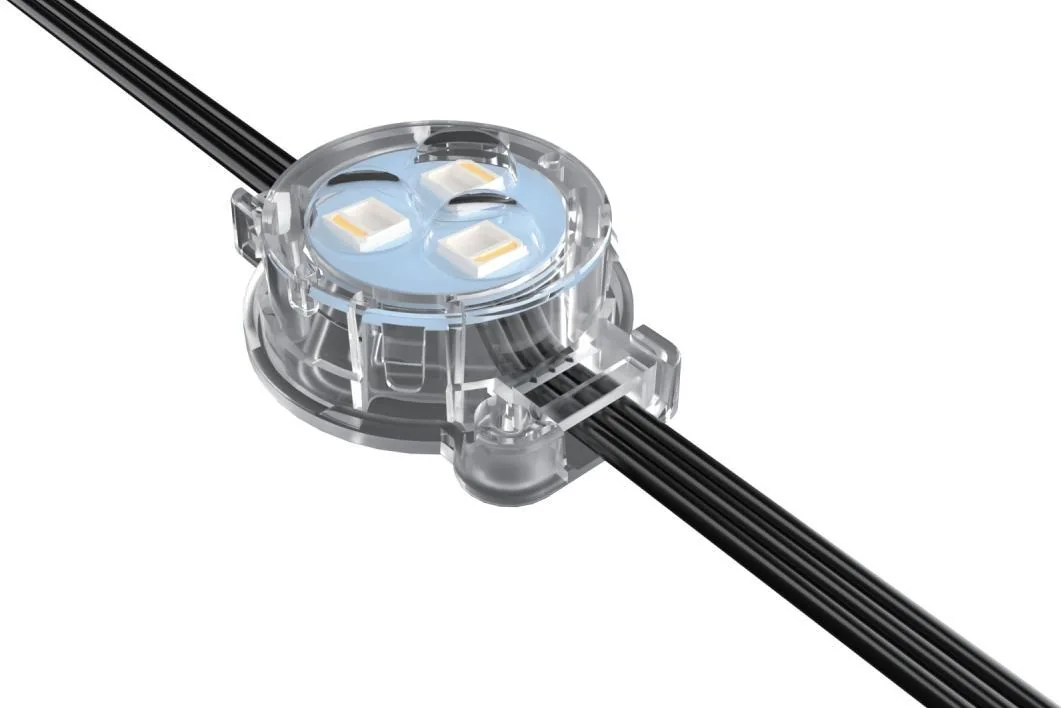
Available as a single-light string for easy field replacement or a 5-light string for faster installation.
Single-light and 5-light configurationsView component details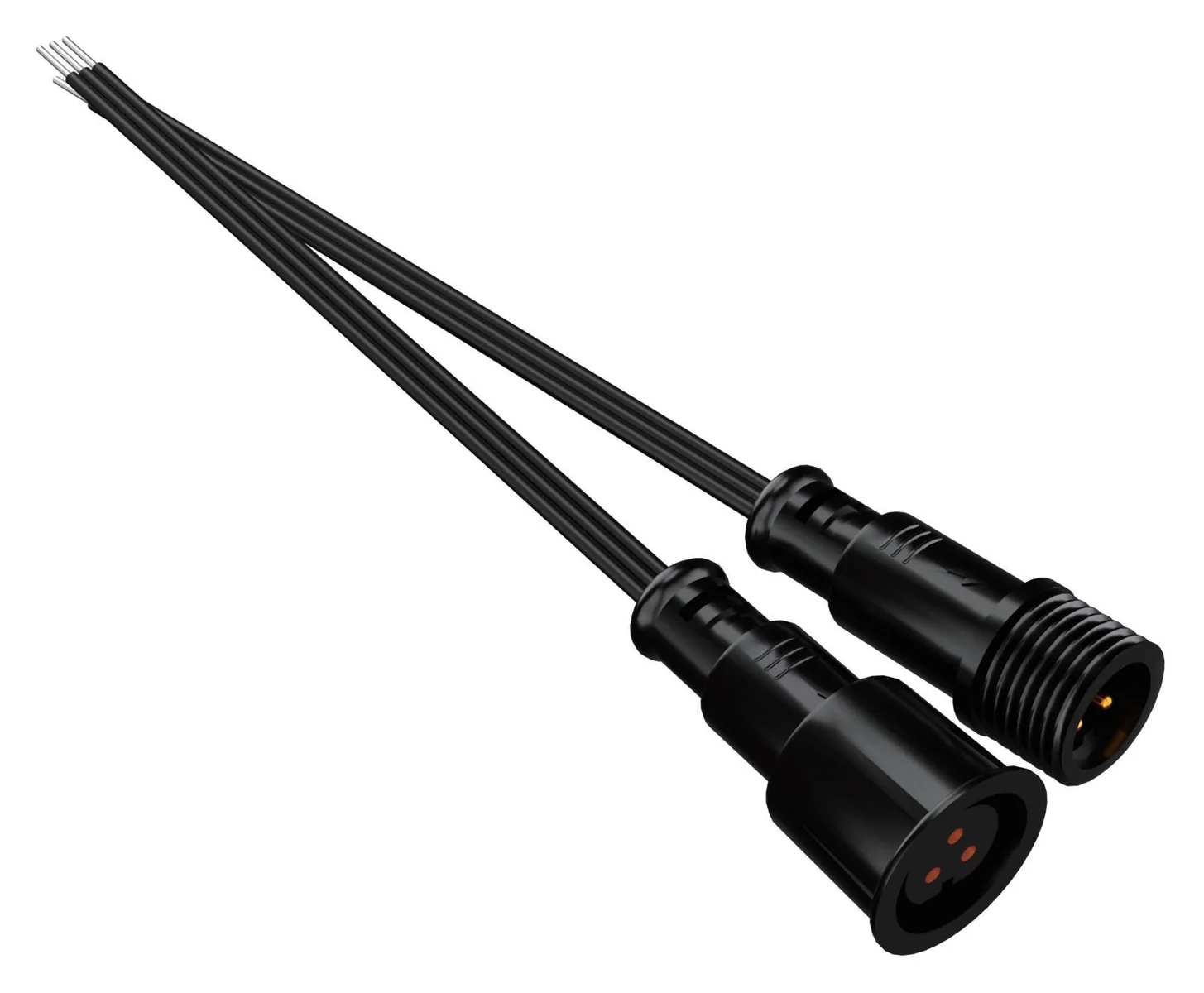
Reconnects cut sections of a pixel light string or adapts the system to other compatible components.
Serviceable system connectionView component details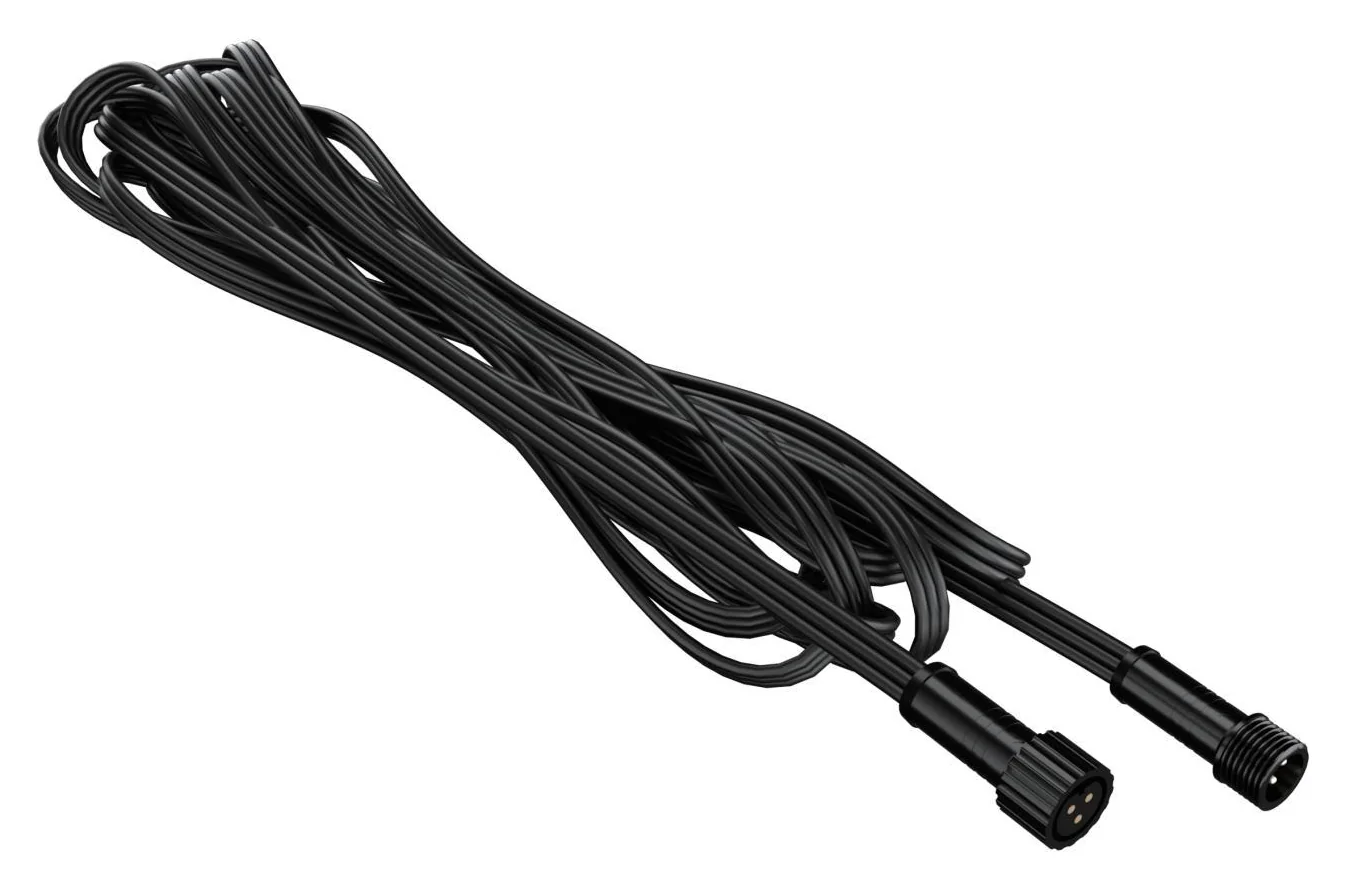
Extends wiring or bridges a section where no lights are required while maintaining the system connection.
Jumper cable for longer layoutsView component details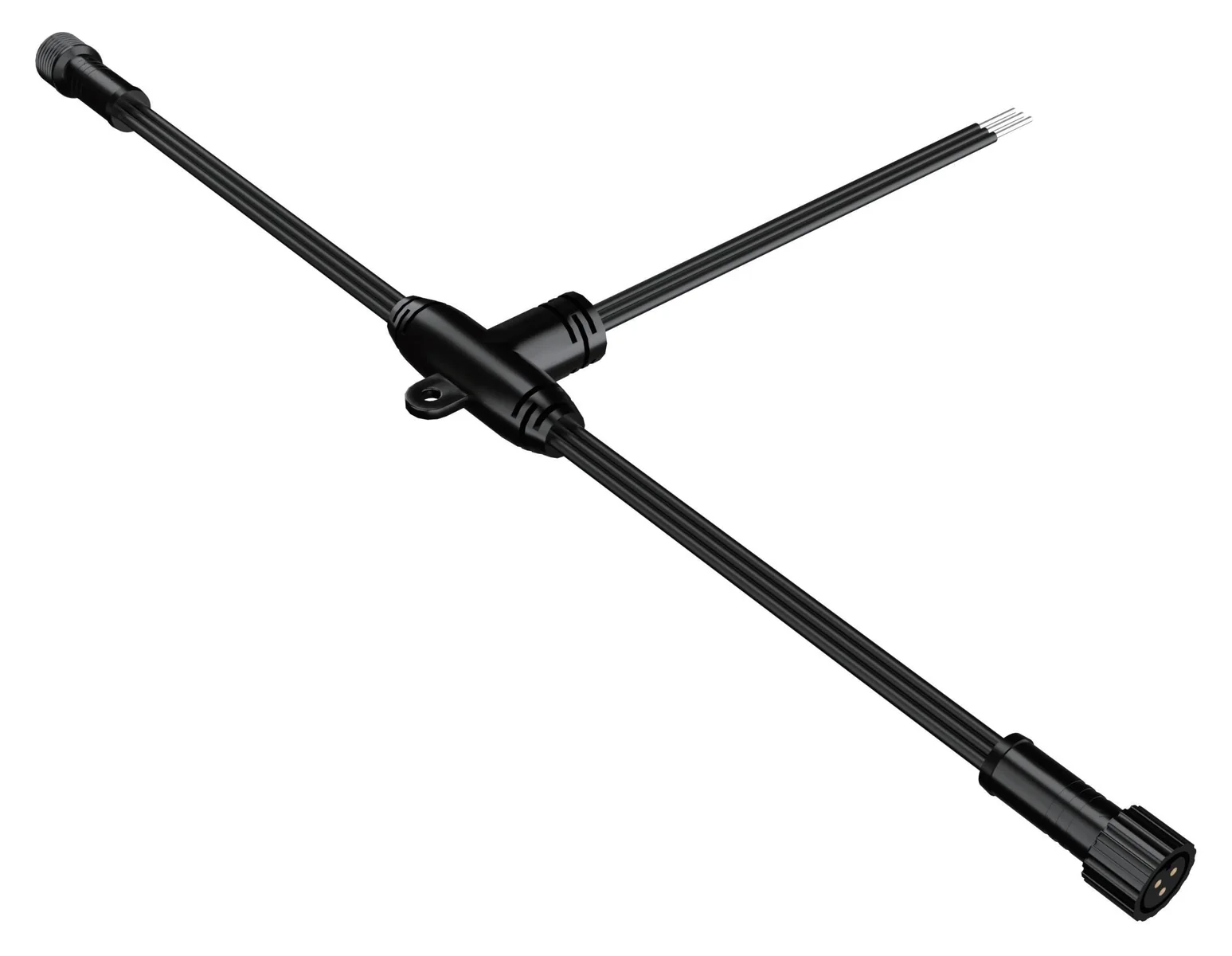
Adds power injection when a light string reaches the maximum load on one side, supporting longer runs.
Power injection accessoryView component details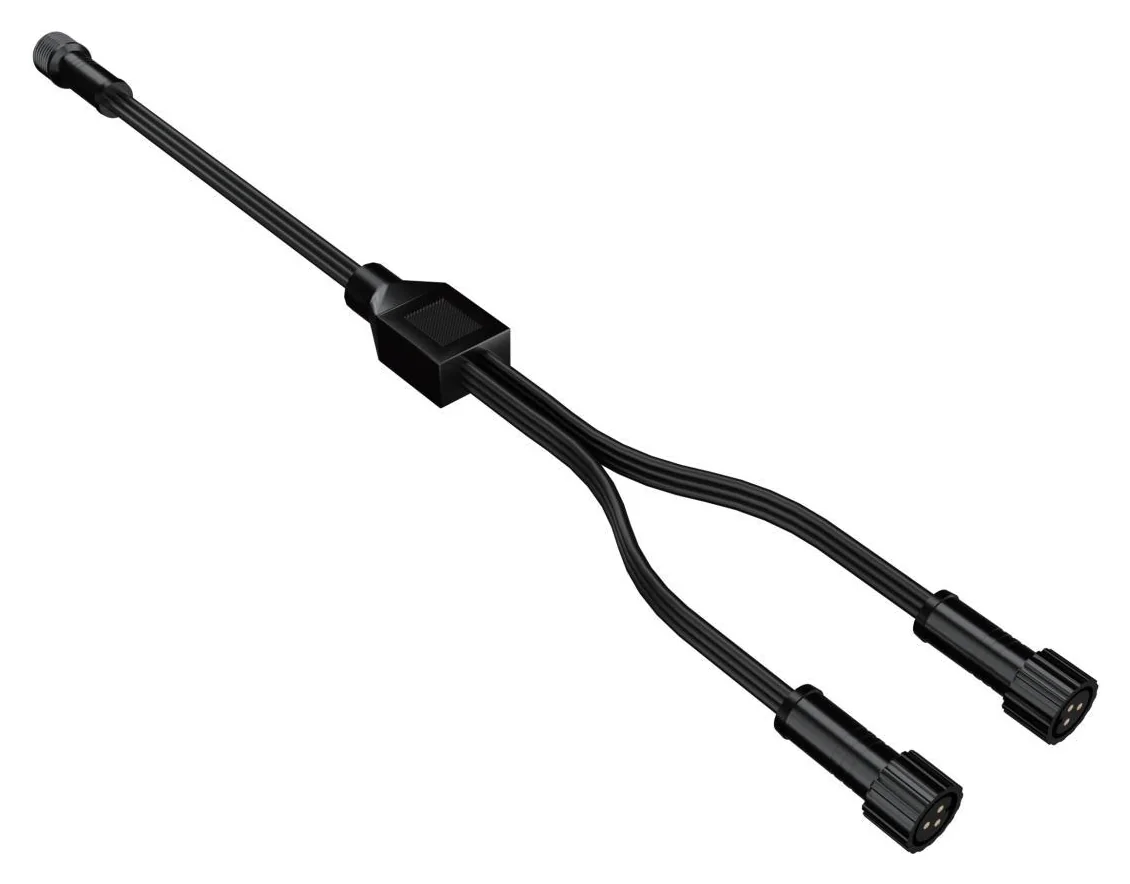
Splits one signal and power line into two separate runs with one input and two outputs.
One input, two outputsView component details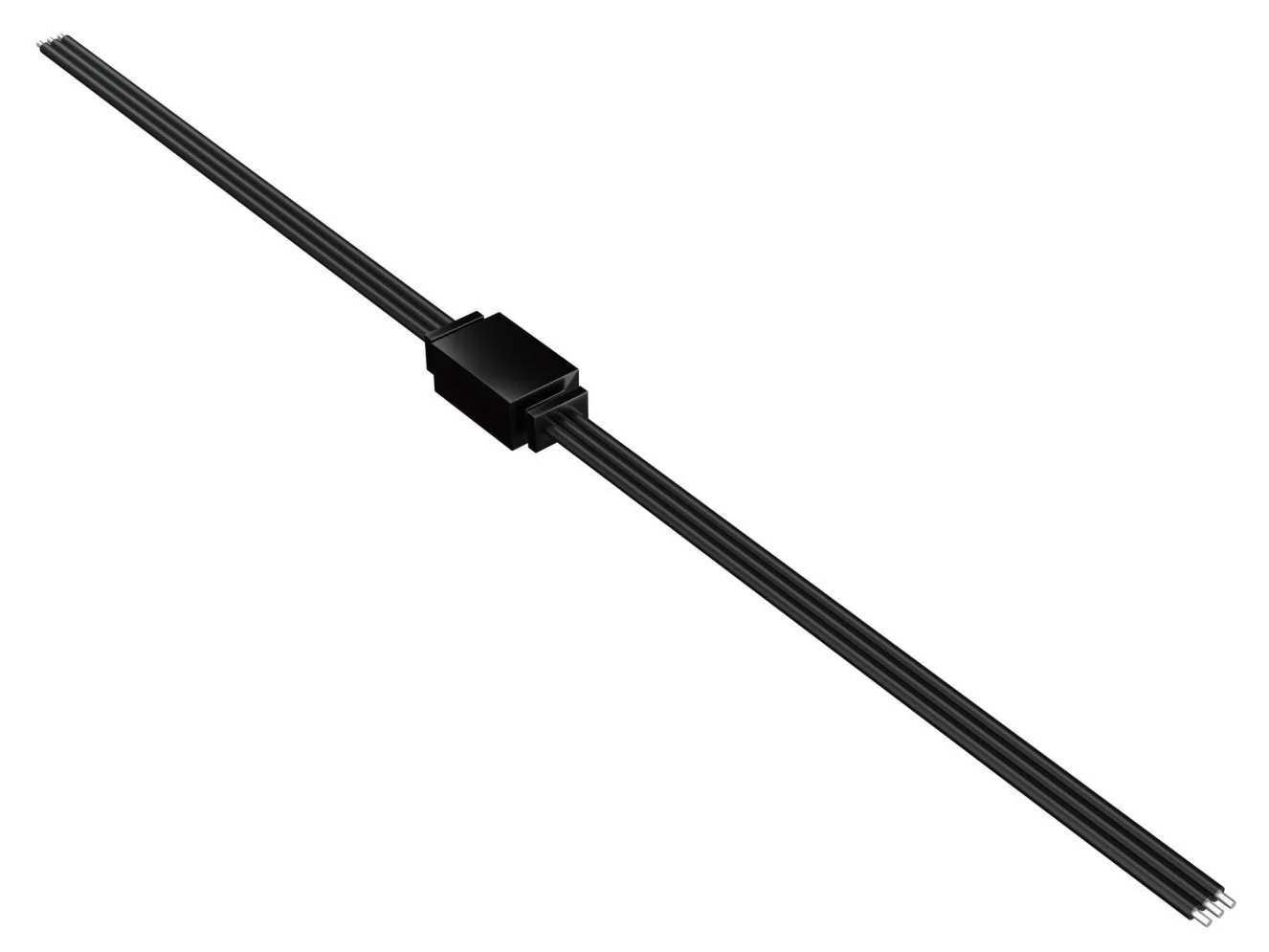
Amplifies the signal for long cable runs and helps maintain reliable communication across the installation.
For long-distance signal stabilityView component details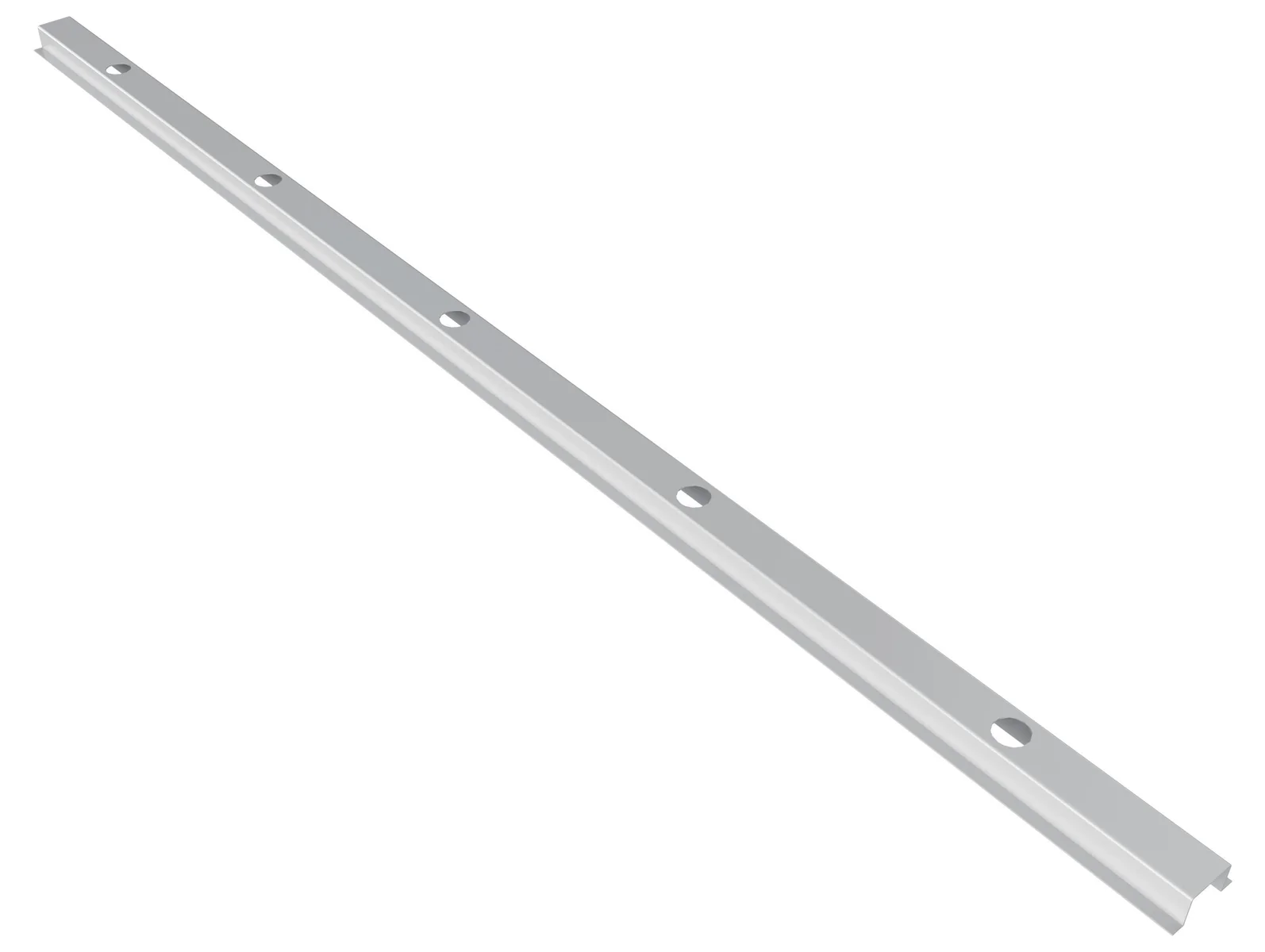
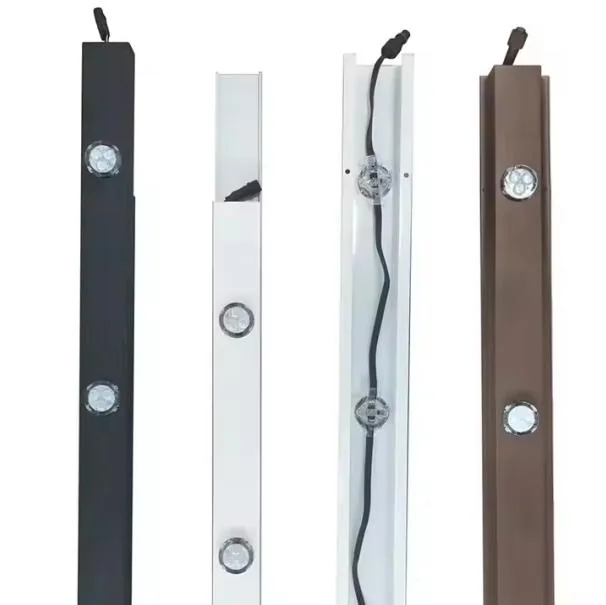
Secures and protects the light string in a clean roofline installation, with custom RAL colors available.
Color-matched mounting channelView component details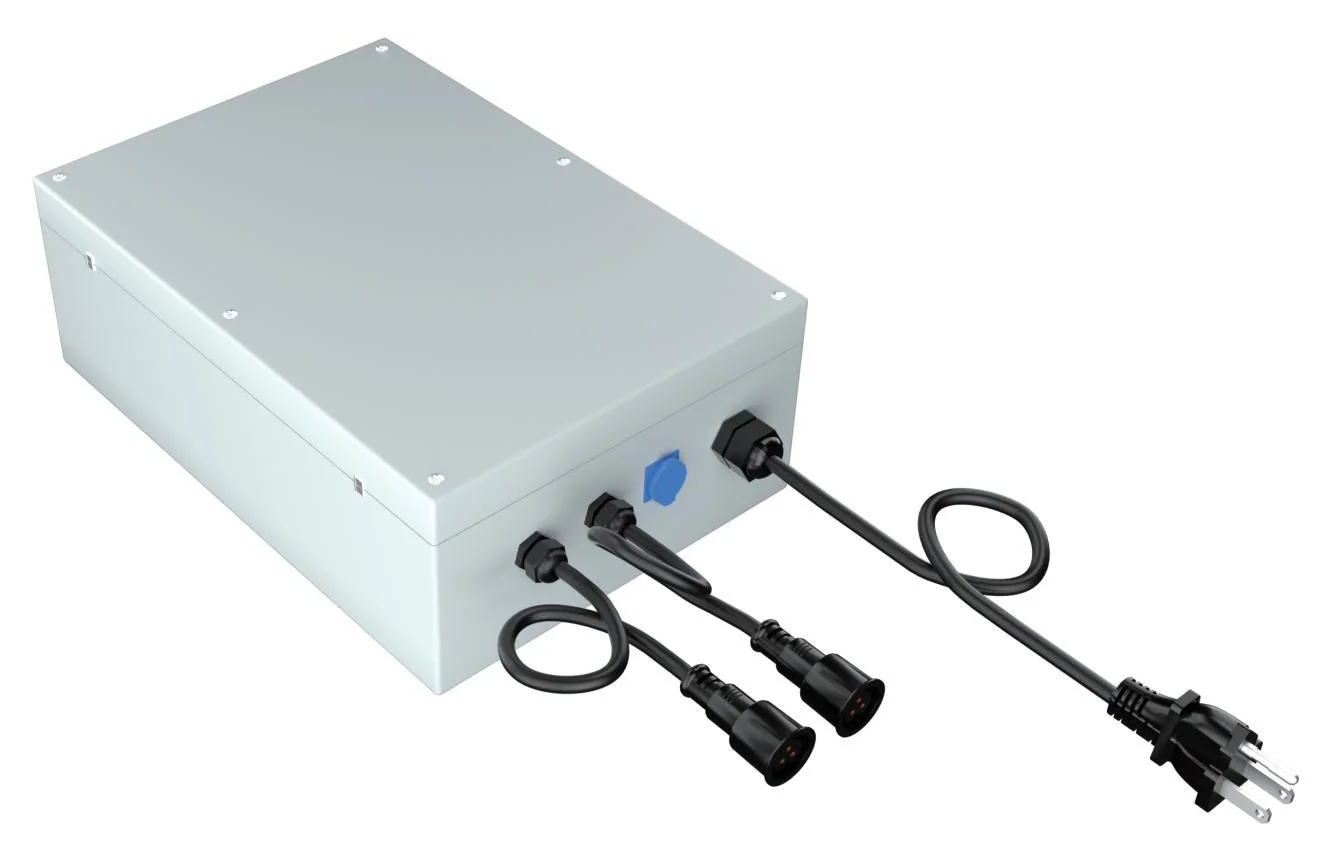
Combines system power and app control, with 350W and 600W options for approximately 300 or 500 lights.
App control with dual outputsView component detailsThe light module is only one part of a reliable installation. We coordinate the RGBW lights, aluminum track, controller, power distribution, waterproof connections, signal accessories, service parts, and installation documentation as one compatible system.
Permanent, low-profile lighting for soffits, fascia, peaks, garages, porches, and detached buildings.
Programmable architectural light for retail, restaurants, hospitality, venues, and public-facing properties.
Dedicated white output for routine architectural scenes without giving up full-color programming.
Individual pixel control for seasonal colors, chases, gradients, celebrations, and scheduled displays.
A repeatable platform with matched track, power, control, connectors, service parts, and job documentation.
Configurable spacing, finishes, controls, packaging, and supply planning for brands and rollout projects.
Product selection starts with the building and the desired result. Viewing distance, mounting height, normal white-light use, color effects, run geometry, voltage drop, service access, and local installation conditions determine the final configuration.
Request a project configurationEach addressable module supports programmed color while a dedicated white channel serves everyday architectural-lighting scenes.
Compatible control hardware can assign color and brightness to individual modules for zones, animations, gradients, and static scenes.
Aluminum profile, module spacing, finish, cable path, mounting surface, and service access are specified as one coordinated assembly.
Controller capacity, supply rating, voltage drop, wire gauge, run length, injection points, extensions, and boosters are checked before the bill of materials is approved.
The following sequence is adapted from the supplied installation instructions. Final fasteners, electrical work, access methods, and code requirements must be confirmed for the actual site.
 Step 01
Seat each light housing in the matching opening until the retaining clips lock securely into the aluminum mounting track.
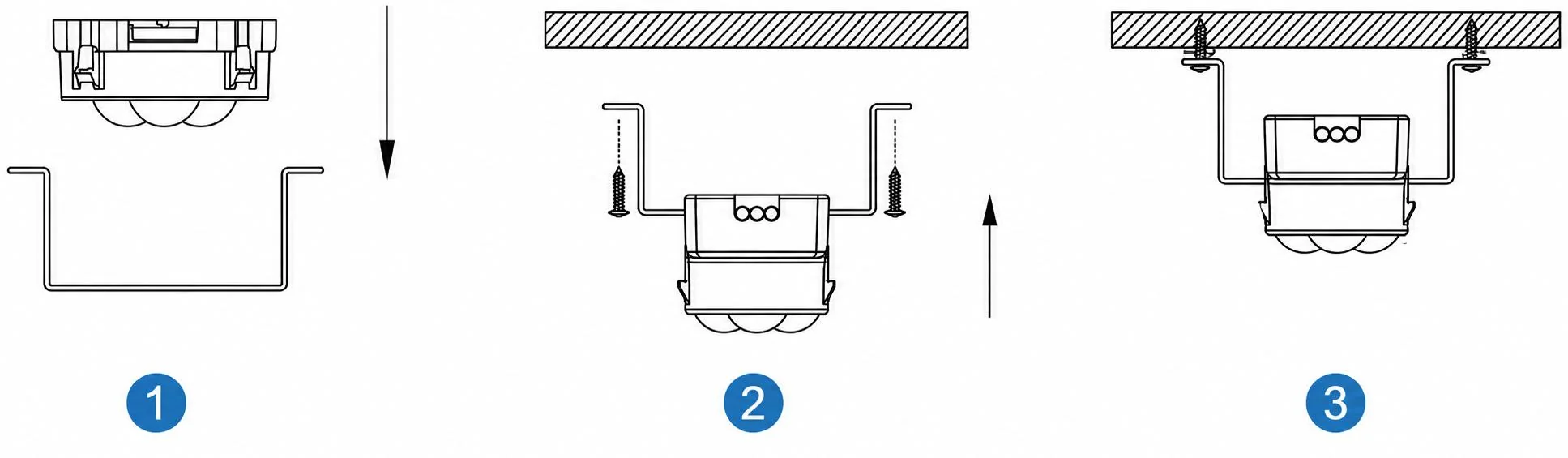 Step 02
Align the loaded track on the soffit or approved surface, then secure it through the side tabs with suitable fasteners for the substrate.
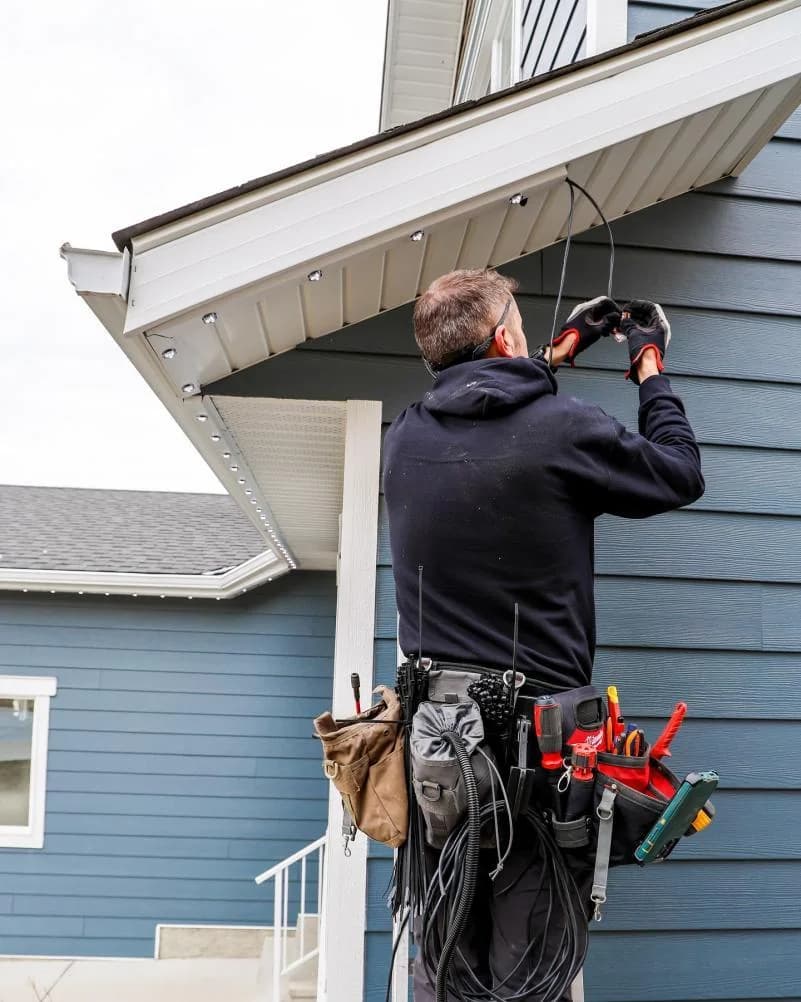 Step 03
Keep cable, extensions, and injection wiring protected inside the track. Complete waterproof connections, test every zone, and close the installation only after confirming operation.
Power injection compensates for voltage drop by adding power at an engineered point in the run. It does not replace controller, power-supply, load, cable, and connector calculations.
The controller shown in the guide has two output ports carrying power and signal, plus two power-injection ports carrying power only. Confirm the labels and approved controller configuration before connecting any cable.
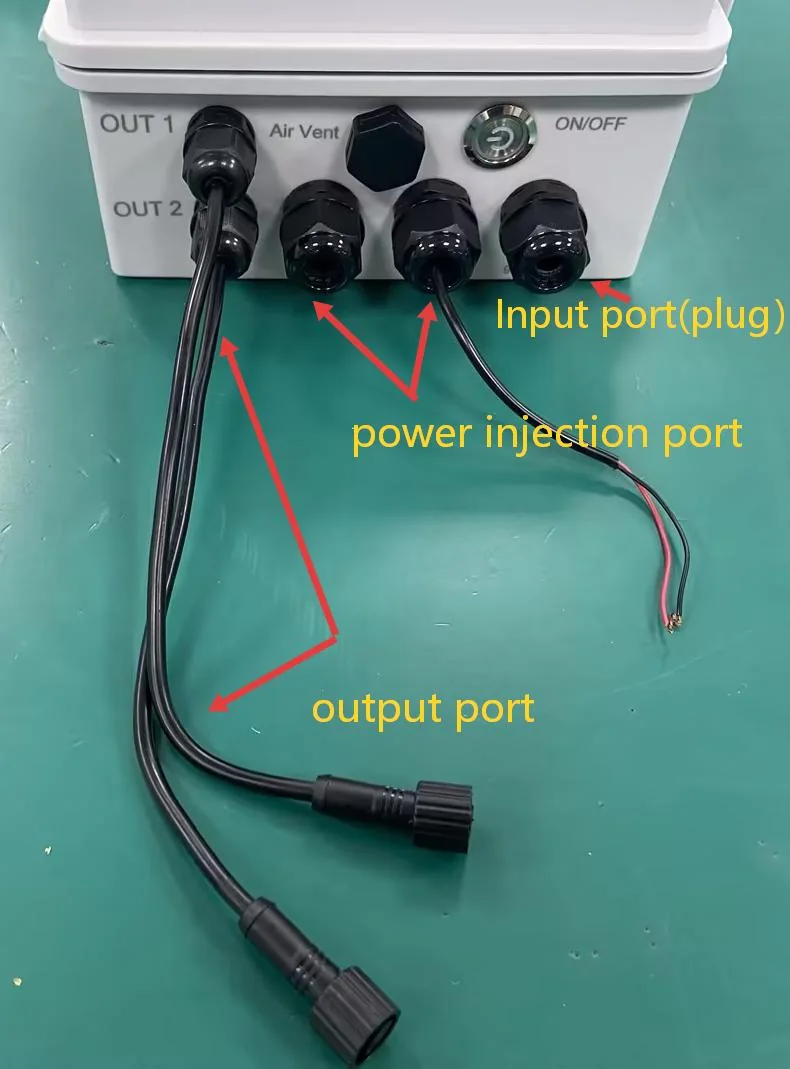
The supplied guide specifies a two-core 1.5 mm² positive-and-negative power cable, approximately AWG 16, together with a compatible waterproof T connector. Maintain polarity and use components approved for the final system.
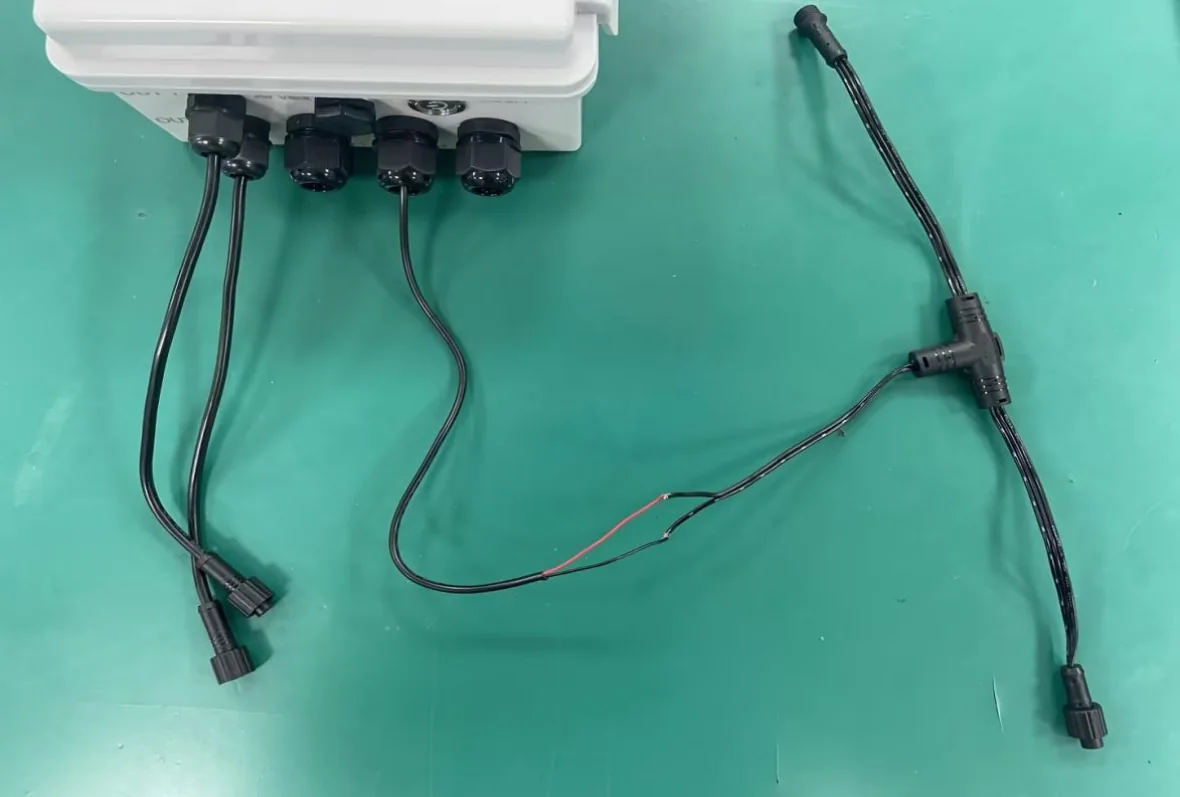
Connect the cable at the approved power source, run it inside the mounting track, and join the T connector between the light-string sections at the calculated injection location. Secure, waterproof, test, and then conceal the connection in the track.
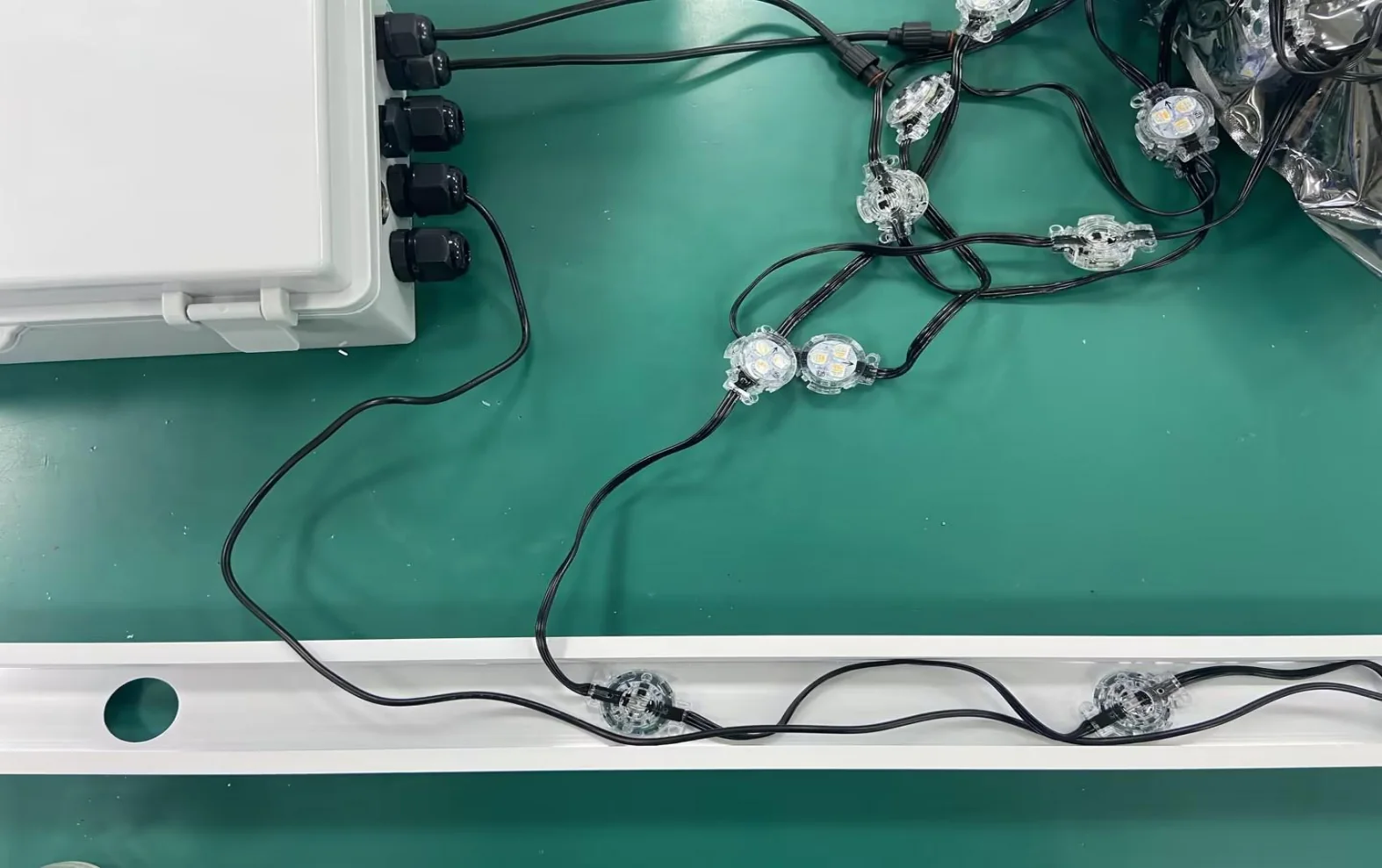
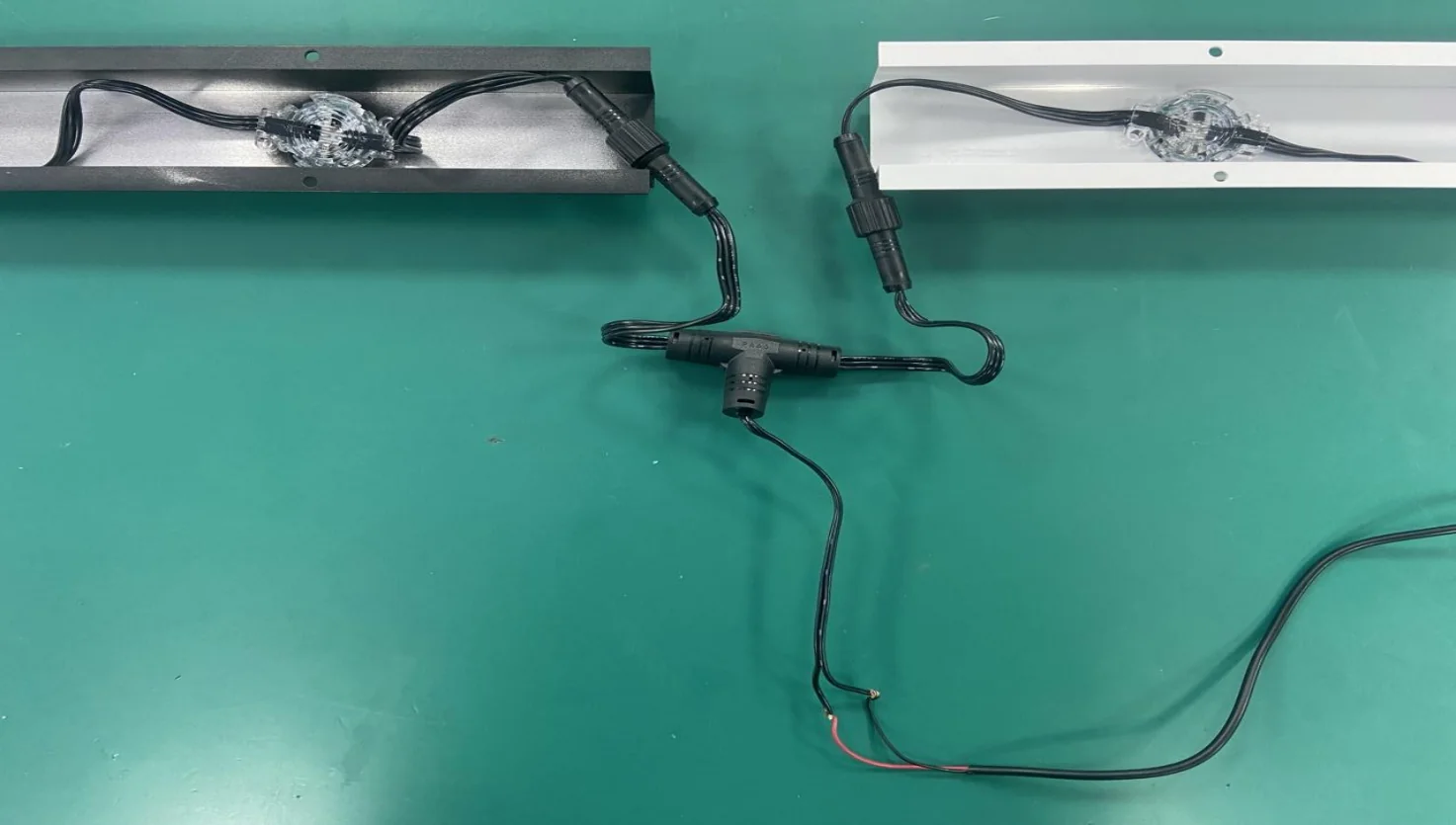
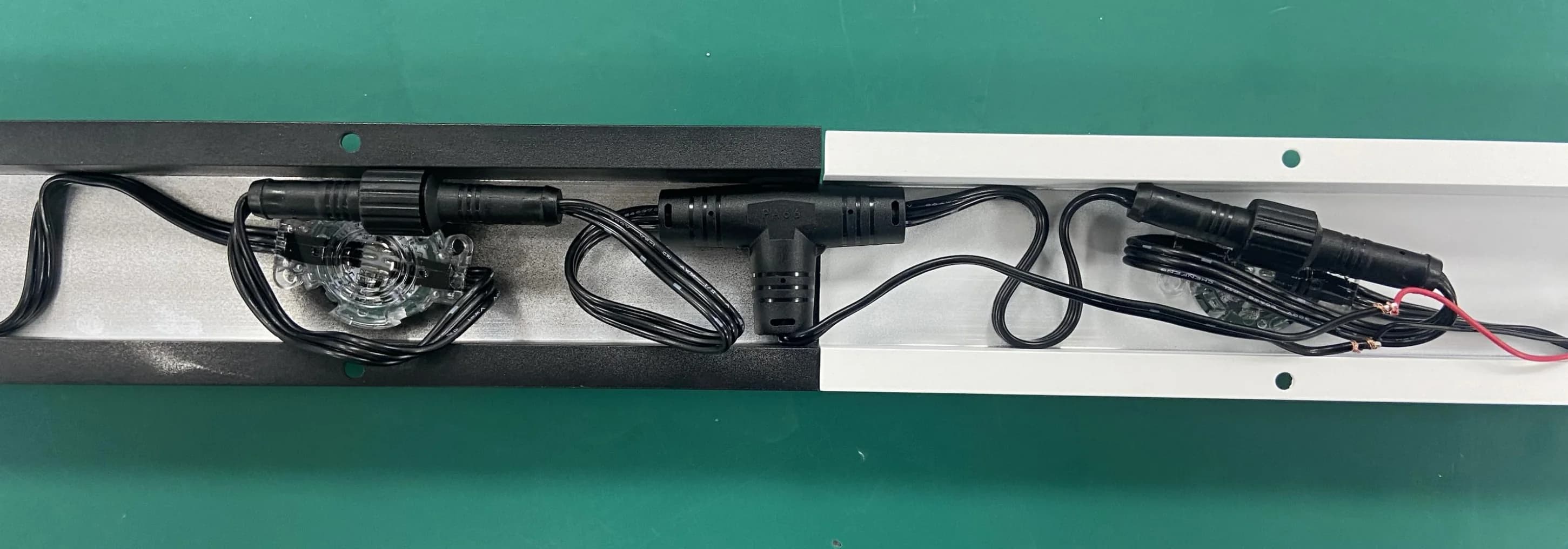
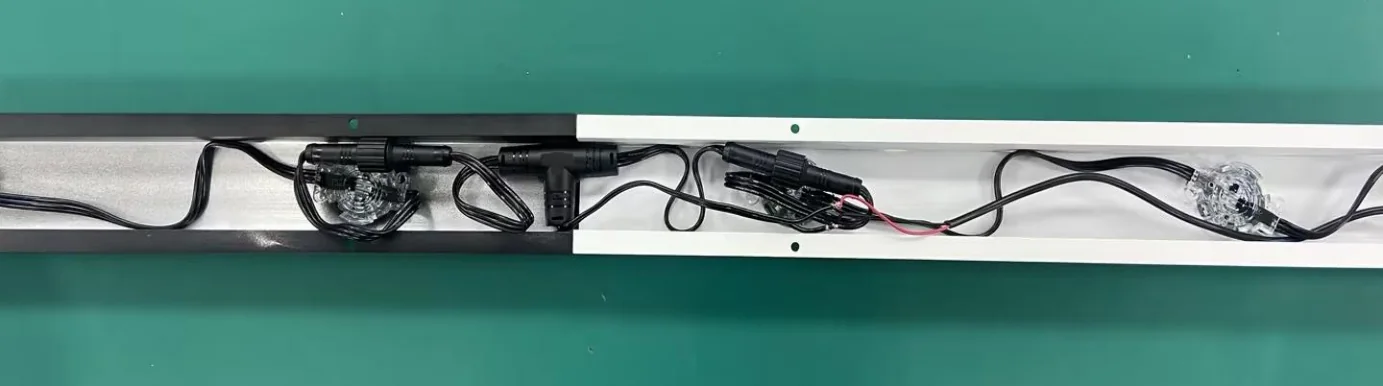
The reference diagram shows the controller, pixel strings, extension cable, signal support, T connections, and parallel power-injection cable as one system. The illustrated quantities are configuration-specific examples, not universal limits. Final run capacity and injection spacing must be approved for the selected controller, voltage, wire, modules, and site layout.
Download installation instructions (PDF)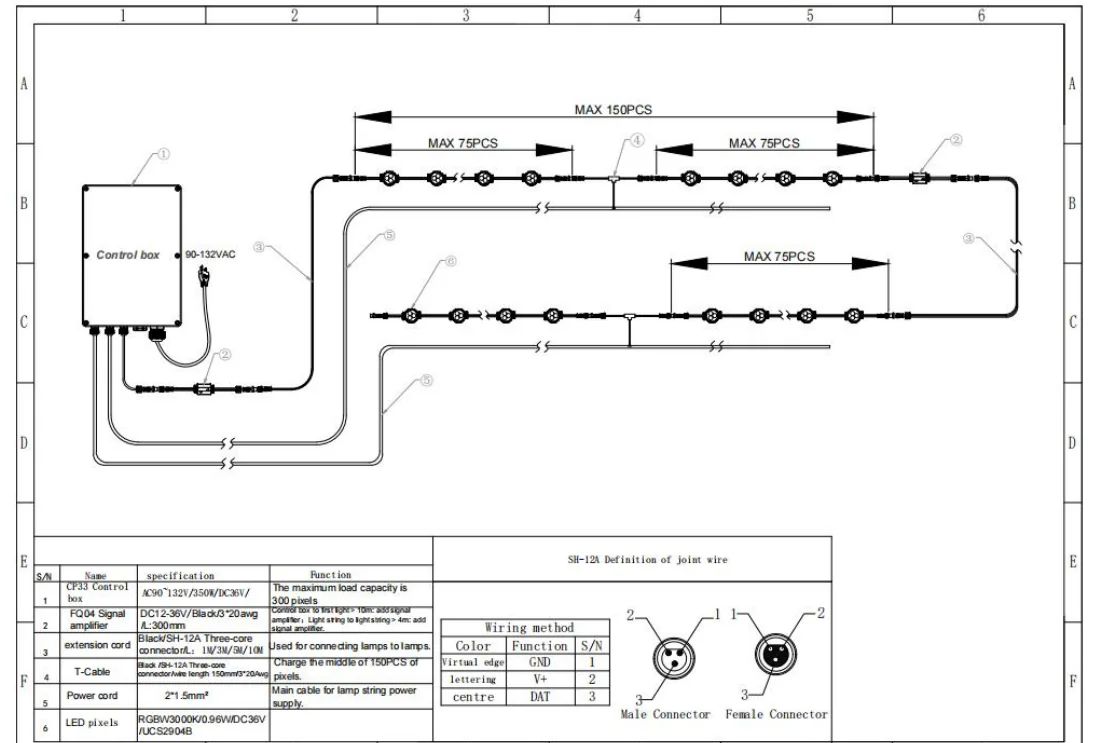
Exact dimensions, electrical ratings, environmental protection, certifications, and minimums are confirmed against the final approved configuration.
These parameters define the current 30mm RGBW pixel light family. Operating voltage, light spacing, string format, mounting track, controller, and cable layout are selected together for each project.
Permanent pixel lighting is one of the fastest-growing segments in holiday and commercial lighting: it can use up to 90% less energy than traditional incandescent lighting, provide holiday color and everyday warm-white scenes from one year-round system, reduce recurring installation costs with a 50,000+ hour service life, and support smart app control from virtually anywhere.
Choose RGBW when the same installation must provide everyday architectural white light as well as holiday, event, or branded color scenes. The dedicated white channel generally produces a more useful white-light mode than mixing red, green, and blue alone.
Spacing is selected from viewing distance, mounting height, desired brightness, façade geometry, daytime appearance, and the visual effect required. We review these conditions before confirming the light string and aluminum-track configuration.
Power injection is considered when run length, module load, cable length, or voltage drop could reduce output or cause uneven performance. The controller, power supply, wire gauge, T connector, injection location, and maximum modules per run must be reviewed together for the approved project configuration.
Yes. A program can combine RGBW modules, color-matched track, controllers, power supplies, extensions, waterproof connectors, signal accessories, installation documentation, service parts, job packing, and private-label options.
Share roofline photos or drawings, approximate linear footage, mounting surfaces, power locations, required zones, desired scenes, preferred spacing, project market, and installation schedule. We use this information to prepare the recommended system and bill of materials.
Share the target application, measurements, expected volume, and the product characteristics you need us to validate.